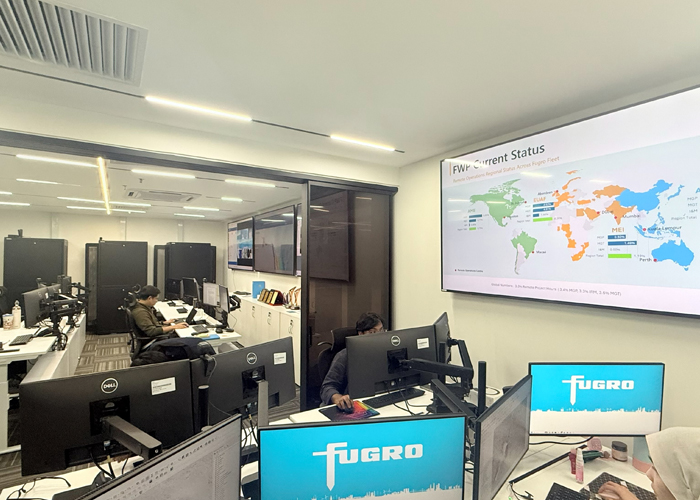
As offshore and energy transition projects continue to expand, the way we collect, process and deliver geo-data is changing just as quickly. Fugro’s shift from a traditional vessel-centric model to one that blends crewed vessels with uncrewed and remotely operated technologies is a major step forward. Advances in automation, robotics and connectivity now make it possible to transfer more work onshore, reshaping where expertise sits and how we maintain safe, efficient and sustainable operations.
This feature offers a clear view of the contribution our Remote Operations Centres (ROCs) make to the business, explains why they have become central to Fugro’s operating strategy, and shows how their principles align with Space Automation, AI and Robotics Control Complex (SpAARC) and other global hubs driving the future of remote operations.
The Future Operating Model: Shifting Work from Sea to Shore
Our operating model is evolving in line with broader industry changes. As uncrewed surface vessels (USVs) and remotely operated vehicles (ROVs) take on more survey and inspection activity, we can reduce offshore headcount while still relying on crewed vessels for tasks that require hands-on work.
One of the key enablers of this shift is the ability to preprocess and transmit data from offshore directly to onshore cloud platforms. This shortens turnaround times, increases flexibility and enables our onshore specialists to support several projects at once. Offshore teams are now more focused on equipment handling and maintenance, while subject-matter experts, working from shore, can step in as needed.
These changes also deliver clear benefits: fewer days offshore, improved wellbeing and reduced emissions, thanks to smaller, more efficient vessels and remote technologies that minimise fuel use.
What ROC Does, and Why It Matters
A ROC serves as an around-the-clock coordination and control hub. It integrates oversight of offshore assets, continuous data assurance, and immediate access to specialised expertise. From the ROC, teams pilot USVs and ROVs, monitor acquisition systems, review incoming data and support offshore crews with real-time guidance.
This approach is particularly valuable for long-running, multi-vessel operations, common in offshore wind development, where large volumes of data are collected simultaneously. By centralising quality control, situational awareness and operational oversight, the ROC keeps projects aligned and helps maintain consistent standards across all assets.
Standardised QC processes and shared operational visibility also reduce downtime and accelerate the delivery of early insights to clients.
Availability, Resilience and Cybersecurity
The ROC network is designed with resilience at its core, recognising how dependent many of our operations have become on reliable onshore control. Each facility is built to withstand local environmental conditions and includes backup power generation, redundant communications routes, and secure access protocols.
Cybersecurity is integrated across every layer of the ROC infrastructure, from network segmentation to controlled access, ensuring a safe and secure operating environment. Local disaster-recovery procedures add another layer of readiness, helping teams resume operations quickly after unexpected disruptions. These features reinforce clients’ confidence that operations will remain stable, even when external conditions change.
Transforming Geo-data Flows: Faster Access, Better Decisions
Remote operations are also changing how we handle data. Traditional vessel-based workflows can struggle with growing data volumes and the need for faster turnaround. Automated data pipelines enable geo-data to move directly from offshore acquisition systems to onshore processing environments, allowing our teams to begin work without delay.
With cloud-based collaboration tools in place, insights can be shared sooner, sometimes while the acquisition is still underway. This reduces rework, tightens project schedules, and ensures decisions are made with the latest, most accurate information.
Alignment with SpAARC and Other Global Hubs
Although our work is grounded in offshore operations, the expertise behind ROC capability has broader relevance. SpAARC’s mission, which supports advanced remote robotics, including lunar surface operations, relies on the same foundations: strong connectivity, resilient control environments, and operators trained to manage high-value systems remotely.
Fugro’s global ROC network mirrors this model. With centres operating across regions, we can distribute workloads, maintain follow-the-sun support and manage assets wherever they are deployed. The parallels with SpAARC place our team at an interesting intersection of marine, energy and emerging space-related operational work, broadening the scope of capabilities that can be supported.
Clear Strategic Outcomes
The shift towards remote operations brings a range of benefits that continue to strengthen our business:
- Fewer personnel offshore and reduced exposure to hazardous environments
- Lower emissions through greater use of uncrewed and low-impact systems
- Faster turnaround times, supported by consistent quality control processes
- The ability to scale without expanding our offshore footprint
- Growth in digital competence across a more diverse workforce
These improvements result from the combined effect of automation, remote control, robust ROC infrastructure, and modern digital workflows working together.
Closing: A Clear Picture of ROC Capability
In essence, ROC capability is about real-time control, reliability, and faster access to the information our clients depend on. It helps make offshore activity safer and more sustainable, while giving our teams the tools they need to support complex projects from shore.
It also positions us well for the future. As operations in other sectors, such as space and advanced automation, continue to adopt remote and autonomous approaches, the work we are doing today with ROCs lays a strong foundation for what comes next.
Sources:
- Revolutionising marine operations: the future workforce | Fugro
- Enhancing Geo-Data via Remote Operations Centres | Fugro
- Transforming Geo-data Flows for Offshore Wind Farms | Fugro | Fugro
- #314 Remote Operations, To the Moon and Back – Engineering Matters
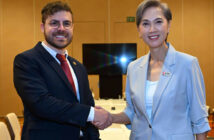
Photo: Fugro Kuala Lumpur Remote Operations Centre. Credit: MySecurity Media